A reject system should remove the fault without creating a new one.
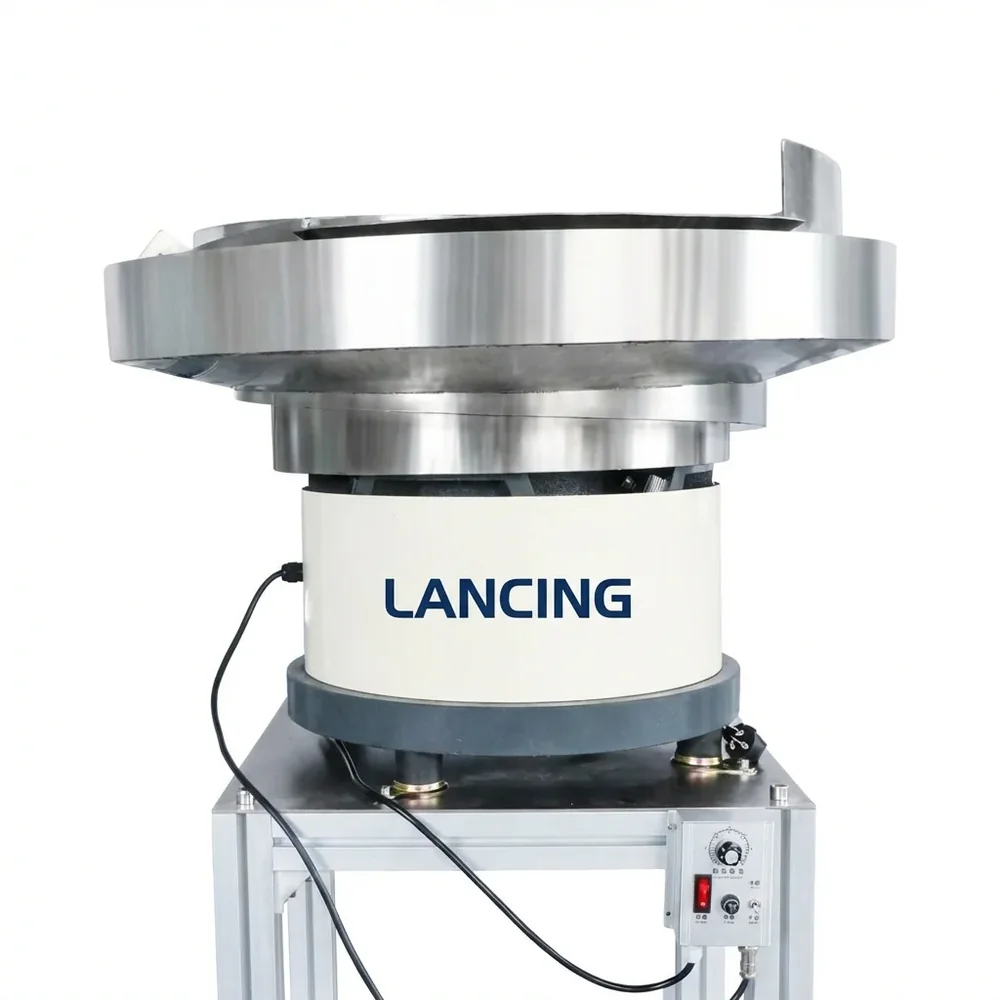
Cap sorters and bowl feeders often use tooling, geometry, air or sensors to keep correctly orientated caps on the delivery path and remove caps that are wrong-way, doubled or unstable. The rejected closure then needs a deliberate destination. It may return to a hopper, enter a separate collection container or be held for inspection, depending on why it was rejected and whether recirculation could damage or contaminate it.
Repeated rejects are also useful information. A rising reject rate can indicate unsuitable cap variation, damaged closures, an incorrect setting, overfilled bulk storage, a worn guide, a dirty sensor or unstable feed into the sorter. The control strategy should distinguish an occasional normal reject from a condition that needs the feeder to stop and call an operator.