Photo-led cap feeding, bowl feeding and cap presentation systems for UK capping lines01494 623015   sales@lancinguk.com
Bulk cap supply

Cap elevators and hopper-fed cap supply systems.

Cap elevators help move loose caps from a bulk hopper to the capper or sorter, reducing manual loading and stabilising cap supply.

Need the feeder to match your cap and capper?

Send cap samples, photos, target output and the downstream capping machine details. The quickest shortlist starts with real parts, not a generic speed figure.

Send cap details
Specification focus

Use a cap elevator when manual loading becomes the bottleneck.

A cap elevator is often the practical middle step between hand loading and a fully custom bowl feeder. It can hold a larger volume of loose caps, raise them to a controlled height and supply the next feeder or capper stage.

The elevator should be sized around actual cap behaviour. Wide caps, light caps, deep skirts and slippery surfaces all affect how the system loads, lifts and discharges. The available footprint and guarding space also matter, especially on retrofits.

For some lines the elevator feeds a simple cap sorter. For others it keeps a vibratory bowl or cap chute supplied so the operator can focus on line supervision rather than constant cap loading.

Hopper capacityMatch storage volume to run time, operator access and cap changeover pattern.
Discharge heightConfirm the capper, sorter or bowl inlet height before the elevator route is fixed.
Level controlUse sensors to prevent starving the capper or overfilling the downstream track.
Selection table

Information that changes the feeder design.

DetailWhy it mattersWhat to send
Closure geometryControls whether caps can be separated, sorted and held in a stable orientation.Photos, samples, diameter, height, skirt depth, material and any liner details.
Required presentationThe same cap may need different exit orientation depending on the capping head.Correct orientation, chute angle, pick point, capper type and discharge height.
Target outputThe feeder must exceed realistic production speed without flooding the track.Caps per minute, bottles per hour, planned shifts and expected efficiency.
Changeover rangeMultiple closures can require adjustable tooling or dedicated change parts.All cap sizes, SKU frequency and whether quick changeover is important.
Related systems

Move into the nearest feeder route.

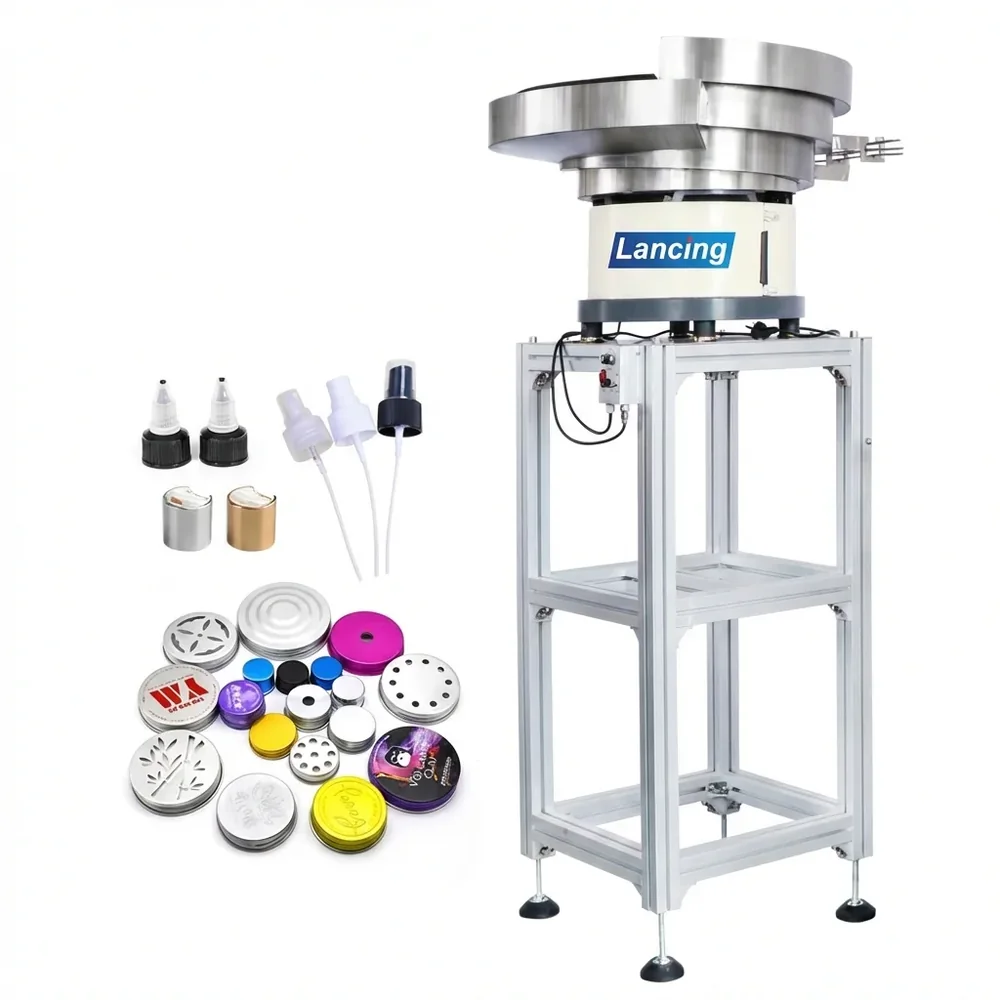
Cap feeder with closure samples
Cap feeders

Automatic cap feeders

Controlled cap supply for automatic and semi-automatic cappers.

Read more
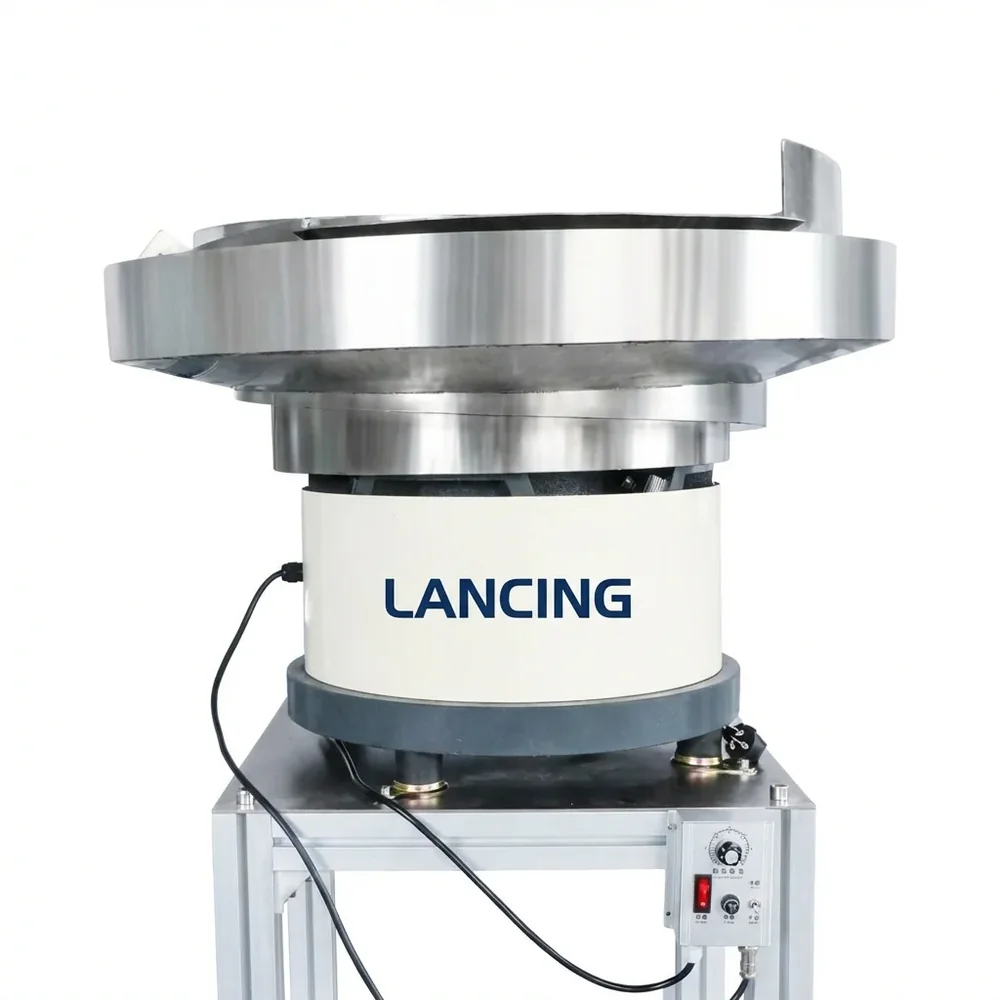
Vibratory bowl feeder close up
Bowl feeders

Vibratory bowl feeders

Bowl tooling and track design for sorting and orientation.

Read more
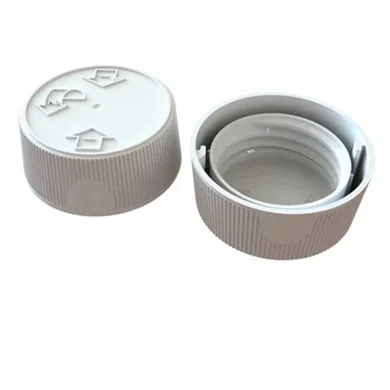
Plastic screw cap samples
Sorters

Cap sorters

Wrong-way rejection and closure presentation before capping.

Read more
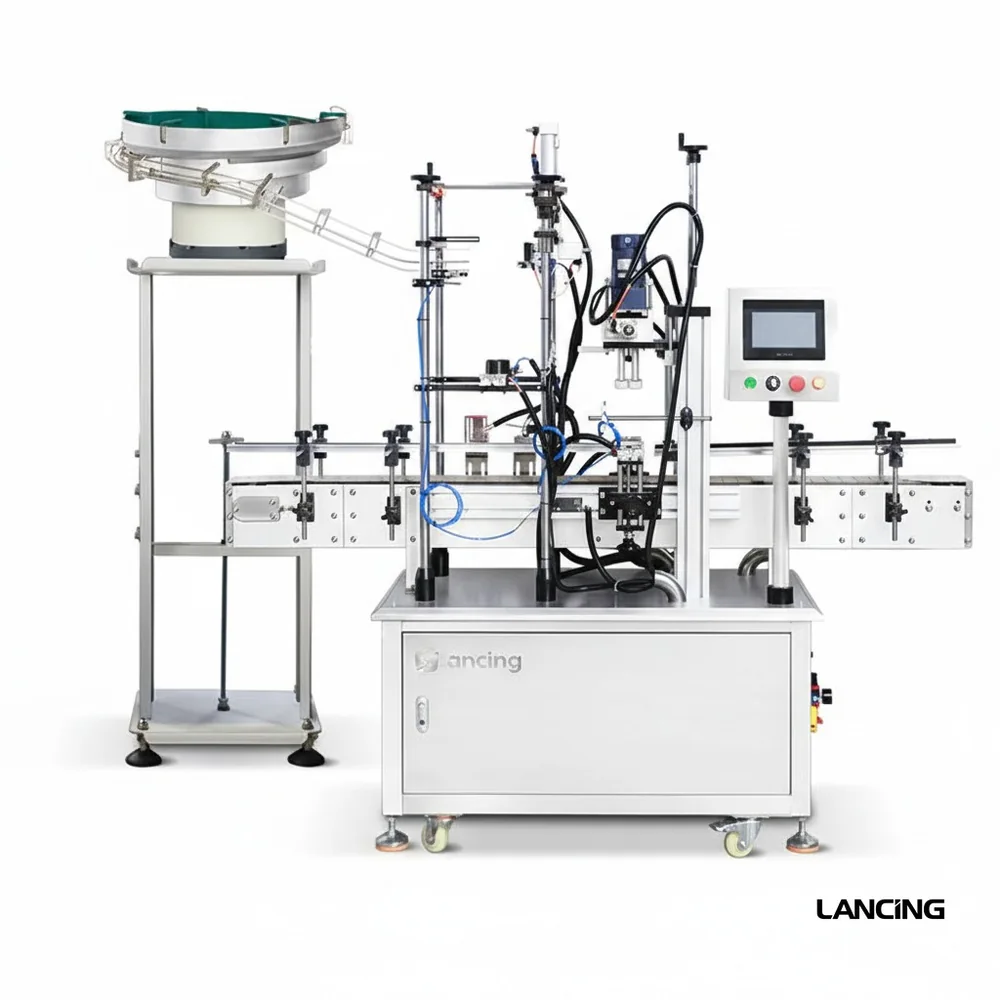
Pump capping machine with bowl feeder
Special closures

Pump and trigger feeding

Feeding support for pumps, sprayers and difficult closures.

Read more
Connected Lancing routes

Built to sit beside the wider Lancing machinery network.

The site now links cap feeding intent to bowl feeder specification, capping machine selection and wider bottle-line planning.

Bowl feeding

Vibratory bowl feeder specification

Use the bowl feeder route when the cap or component needs sample-based tooling, orientation and a stable discharge point.

Visit bowlfeeders.co.uk
Capping

Capper selection and closure type

Use the capping machinery route when the project also needs screw, pump, trigger, ROPP, press-on or complete capping equipment.

Visit cappingmachinesuk.co.uk
Line planning

Filling, capping and labelling context

Use the Lancing UK route when the feeder is part of a wider packaging line, retrofit, installation or project-planning brief.

Visit lancinguk.online
FAQs

Questions about cap elevators.

When should I use a cap elevator?

Use a cap elevator when operators are loading caps too frequently or the capper needs a more consistent bulk supply into a sorter, bowl or chute.

Does a cap elevator sort the cap?

Some routes only elevate caps, while others combine elevation with sorting, orientation or downstream bowl feeding.

What controls are normally needed?

Level sensors, cap-in-chute checks, start-stop signals and emergency stop integration are common considerations.

CallQuote