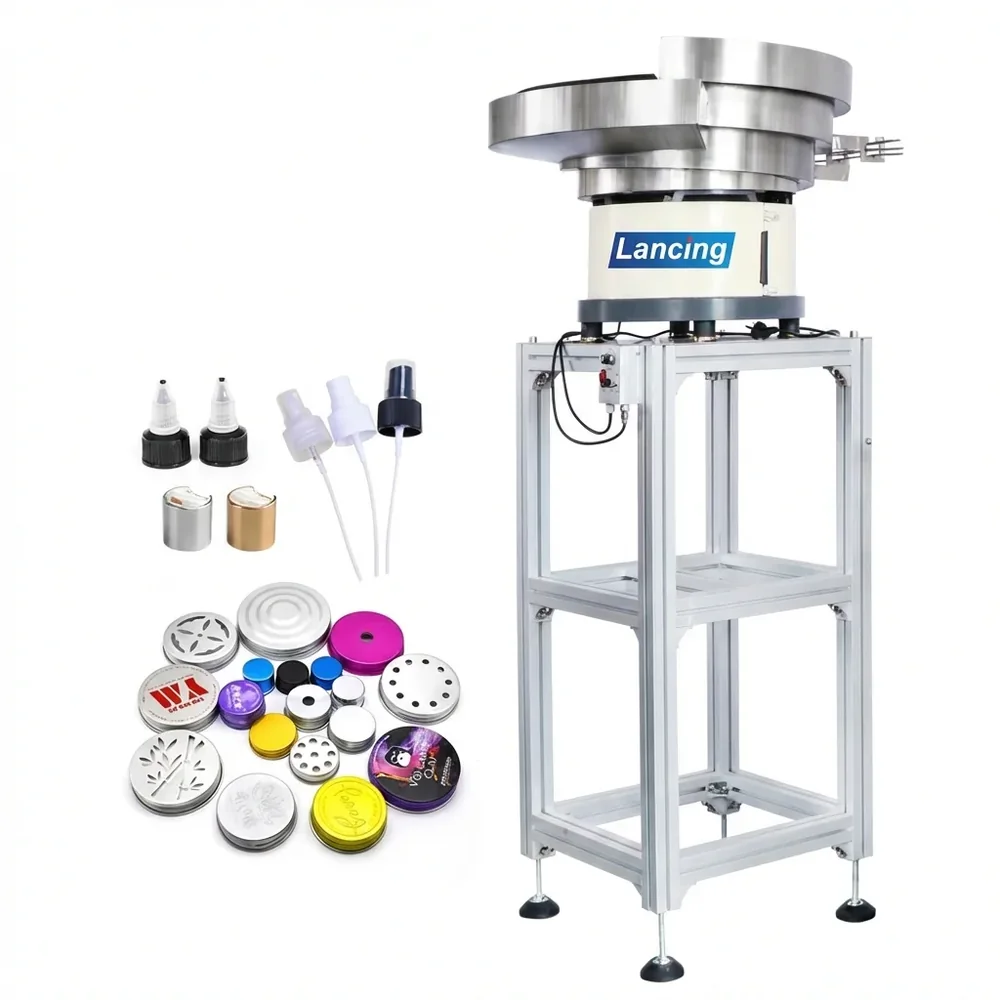
Automatic
Automatic cap feeders
Bulk cap storage, controlled sorting, level sensing and cap delivery for automatic capping machines.
Read morePhoto-led cap feeder, vibratory bowl feeder, cap sorter and elevator systems for screw caps, pumps, triggers, ROPP caps and specialist closures.
Send cap samples, photos, target output and the downstream capping machine details. The quickest shortlist starts with real parts, not a generic speed figure.
The most reliable route depends on cap geometry, orientation, discharge height, output target, changeover pattern and the way the downstream capper accepts the closure.
Bulk cap storage, controlled sorting, level sensing and cap delivery for automatic capping machines.
Read more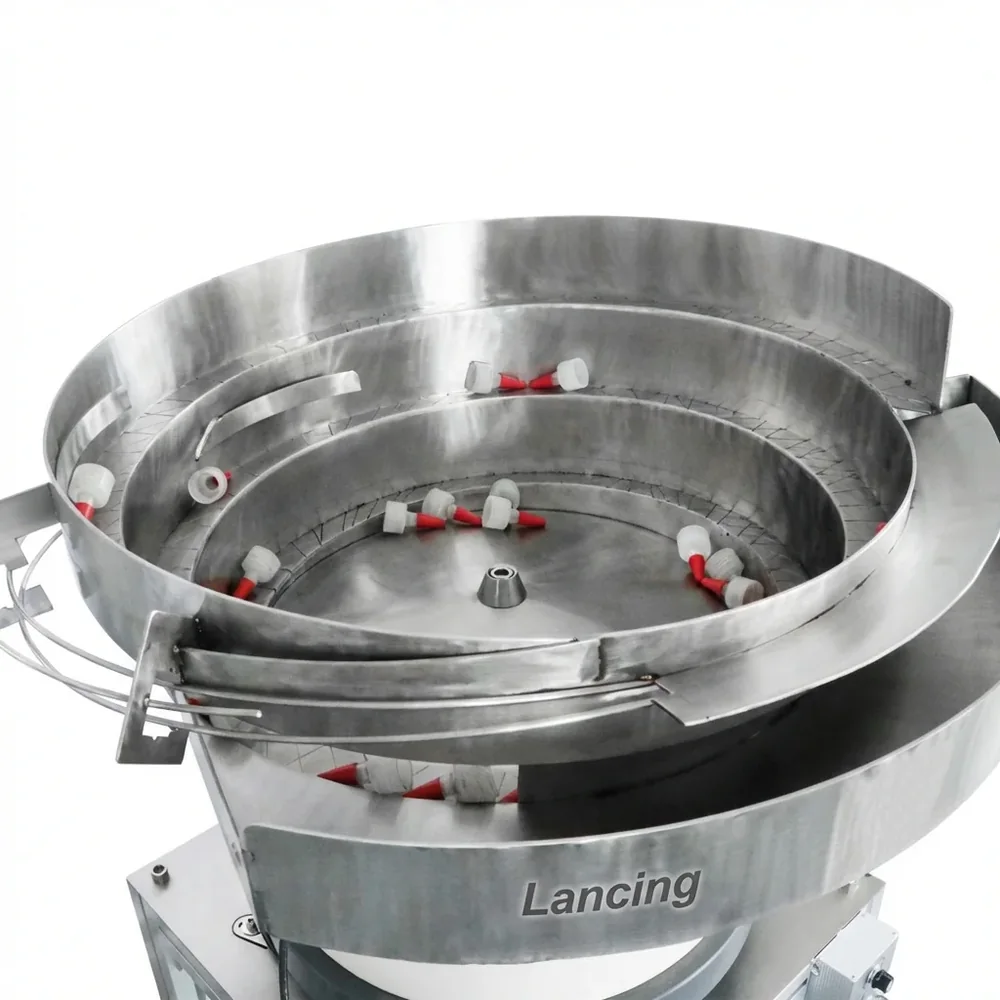
Custom bowl tooling to sort, orient and feed caps, closures and production parts into a fixed pick point.
Read more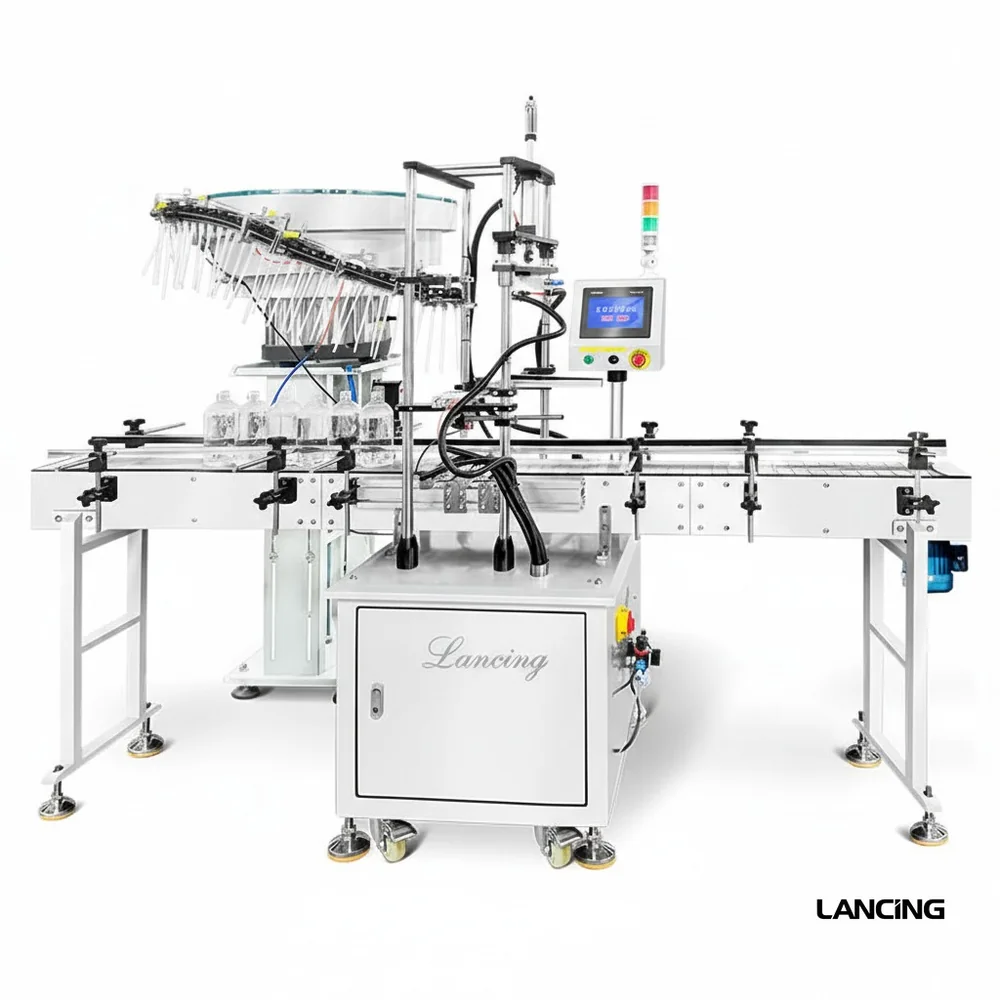
Link the feeder, capper, conveyor and sensors so the line runs without starving or overfilling the cap track.
Read more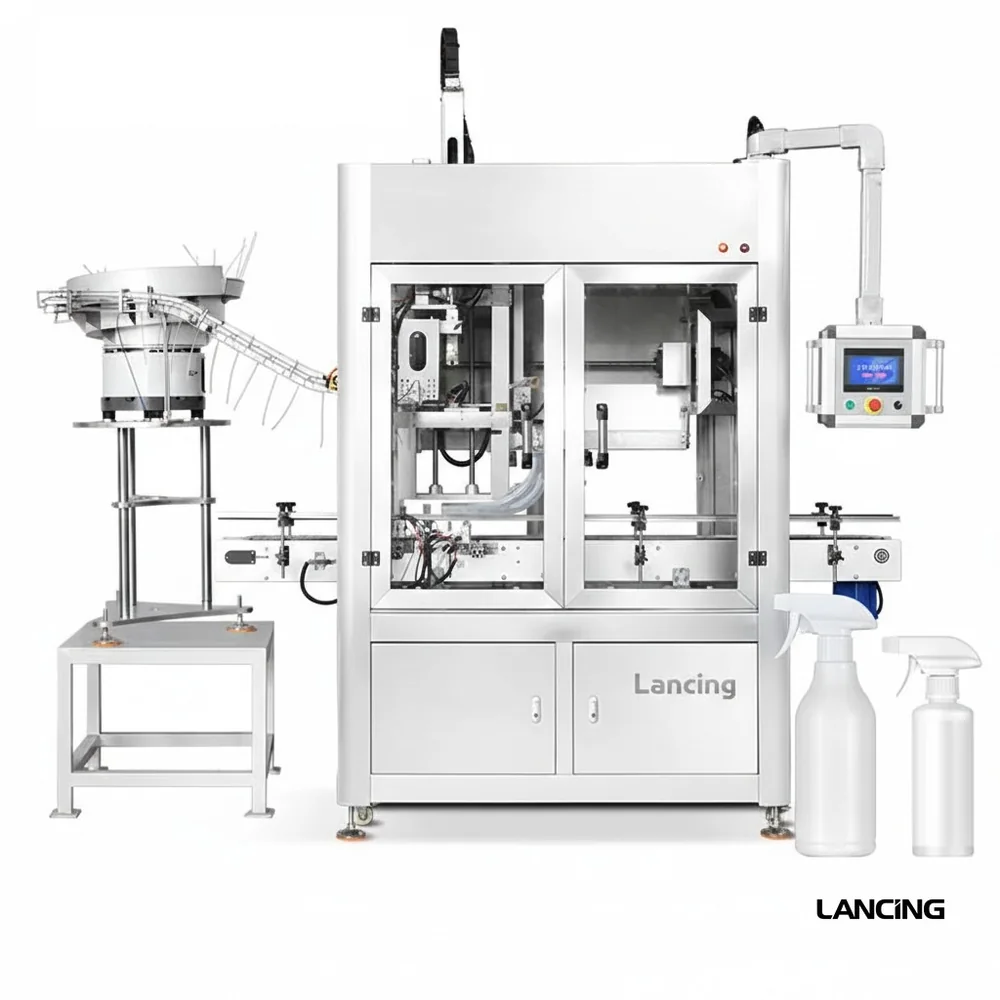
Caps, pumps and triggers behave differently in bulk. A good specification checks whether the closure can be separated, orientated, transferred and presented without creating jams, scuffs or inconsistent pick-up.
These pages target the searches operators and engineers use when they know the closure problem but not the final feeder design.
Final specification is always sample-led, but this comparison helps shortlist the first route.
| Feeder route | Where it helps | Key checks |
|---|---|---|
| Vibratory bowl feeder | Caps or closures that need sorting and orientation before a chute or pick point. | Part geometry, reject tooling, noise, bowl size, discharge height and changeover. |
| Cap elevator and hopper | Bulk cap storage where operators need to load less often and keep the capper supplied. | Cap size range, elevator angle, hopper capacity, level control and guarding. |
| Cap sorter / orientator | Higher-speed or orientation-sensitive closures before inline or rotary capping. | Correct-face detection, wrong-way rejection, feed stability and capper interface. |
| Special closure feeder | Pumps, triggers, droppers, sprayers, tubes and asymmetric closures. | Tangling risk, tube control, head orientation, bottle support and placement method. |
The site now links cap feeding intent to bowl feeder specification, capping machine selection and wider bottle-line planning.
Use the bowl feeder route when the cap or component needs sample-based tooling, orientation and a stable discharge point.
Visit bowlfeeders.co.ukUse the capping machinery route when the project also needs screw, pump, trigger, ROPP, press-on or complete capping equipment.
Visit cappingmachinesuk.co.ukUse the Lancing UK route when the feeder is part of a wider packaging line, retrofit, installation or project-planning brief.
Visit lancinguk.onlineSend cap samples or clear photos, dimensions, material, required exit orientation, target caps per minute, capper type, discharge height and available footprint.
Often yes, provided the capper has a suitable handover point, space for guarding and a way to accept level or start-stop signals.
No. A bowl feeder is useful for orientation, but some closures suit a hopper, elevator, sorter, chute or custom presentation route better.
A good cap feeder page should help engineers move from a search query to a testable specification. The added guidance keeps the page focused on caps, lids, pumps and triggers while pointing full capping-machine selection to the wider Lancing machinery network.
Diameter, height, skirt depth, thread form, ribs, liner, tamper band and centre of gravity all affect whether a cap can be separated, oriented and delivered reliably.
Read specification checksPhysical cap samples remain the safest way to assess scuffing risk, orientation features, bridging, nesting, and whether a bowl, elevator or sorter is the right route.
See sample guidanceThe feeder outlet has to suit the capping machine, including chute angle, handover height, cap-in-chute control, reject handling, guarding and start-stop signals.
Plan integrationThese checks improve quotation quality without assuming unsupported speeds, capacities or format ranges.
| Check | Why it matters | Useful evidence to send |
|---|---|---|
| Closure compatibility | Confirms whether the closure can be separated and held in the required orientation. | Cap samples, drawing, measured diameter/height, skirt depth, material and required exit orientation. |
| Bottle and cap combination | The feeder can only be confirmed properly when the handover method matches the bottle neck, capper and closure. | Filled or empty bottles, caps, neck finish details, capper type and photos of the current line. |
| Throughput and buffer | Throughput should be matched to real production demand and not guessed from a generic feeder rating. | Target bottles per minute or hour, shift pattern, acceptable stoppage level and operator refill plan. |
| Controls and recovery | Sensors and jam handling decide whether the feeder supports the line or becomes the bottleneck. | Required stop/start signals, cap-low warning preference, cap-in-chute requirement and available PLC interface. |
The feeder and capper should be specified together. The capper determines the handover point and the feeder determines how reliably caps arrive at that point.
Sometimes, but the useful answer depends on the geometry difference, orientation requirement and whether change parts or adjustments are acceptable.
Samples reveal behaviour that photos do not show, including nesting, scuffing, bridging, centre of gravity and how the cap reacts on a track or chute.
No. A sensible output target can be discussed early, but confirmed throughput depends on the cap, feeder route, handover and downstream capping behaviour.
Use the capping machinery route when the project also includes torque, tightening method, capper style, conveyor control or complete line selection.