Photo-led cap feeding, bowl feeding and cap presentation systems for UK capping lines01494 623015   sales@lancinguk.com
Line integration

Cap feeder integration for reliable capping lines.

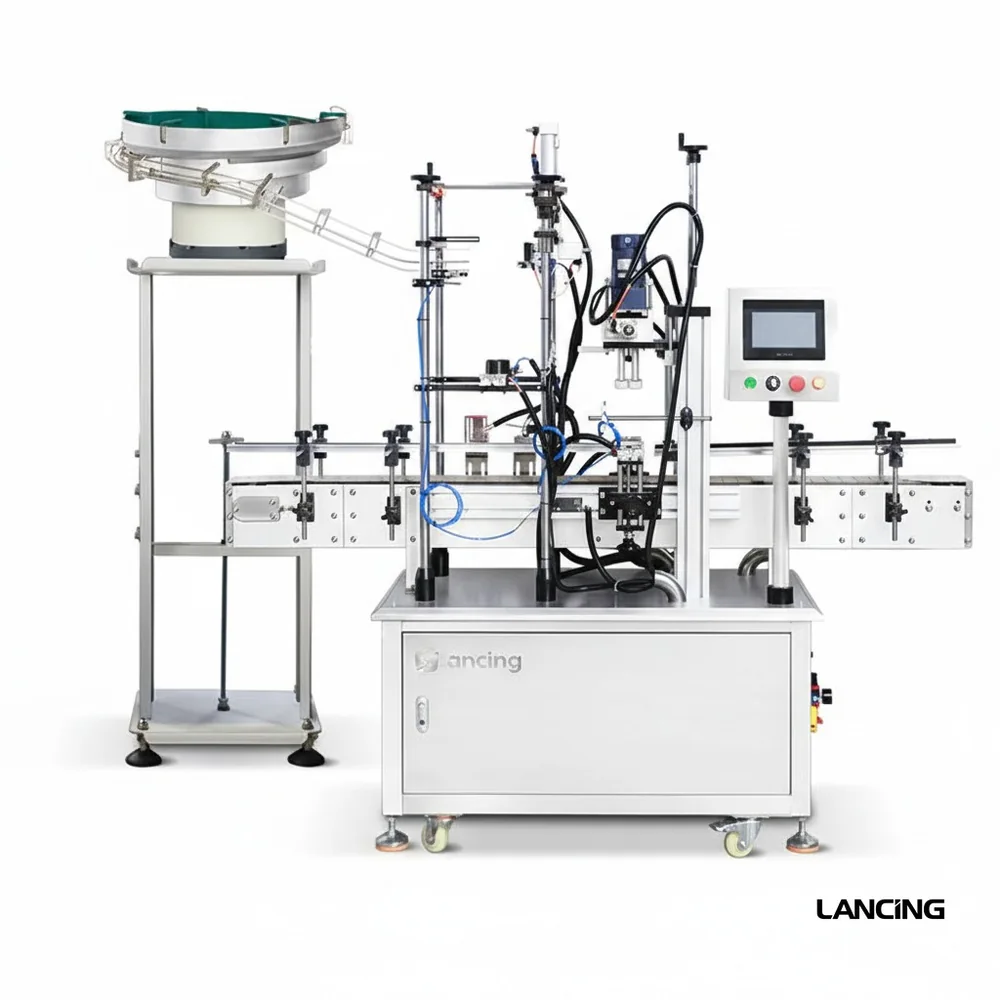
Connect the feeder, sorter, chute, capper and conveyor so the capping stage runs as one controlled system.

Need the feeder to match your cap and capper?

Send cap samples, photos, target output and the downstream capping machine details. The quickest shortlist starts with real parts, not a generic speed figure.

Send cap details
Specification focus

A feeder only works properly when the interface is right.

Cap feeder integration is where many line reliability problems are solved. The bowl or elevator can be correctly selected, but the line will still stop if caps arrive at the wrong height, the chute overfills or the capper starts without a stable cap supply.

Integration checks include mechanical handover, electrical controls, sensor positions, guarding, operator access, cleaning access and whether the feeder should run continuously or follow the capper demand.

For retrofits, photos and measurements of the existing capper are essential. For new lines, the feeder should be planned alongside the filling, capping, labelling and conveying route.

Mechanical interfaceOutlet height, chute path, guide widths, guarding and maintenance access.
Controls interfaceStart-stop signals, level sensors, cap-in-chute detection and fault handling.
Line flowConveyor speed, bottle spacing, accumulation and operator access around the capping area.
CommissioningRun trials with real caps and bottles before final settings are accepted.
Selection table

Information that changes the feeder design.

DetailWhy it mattersWhat to send
Closure geometryControls whether caps can be separated, sorted and held in a stable orientation.Photos, samples, diameter, height, skirt depth, material and any liner details.
Required presentationThe same cap may need different exit orientation depending on the capping head.Correct orientation, chute angle, pick point, capper type and discharge height.
Target outputThe feeder must exceed realistic production speed without flooding the track.Caps per minute, bottles per hour, planned shifts and expected efficiency.
Changeover rangeMultiple closures can require adjustable tooling or dedicated change parts.All cap sizes, SKU frequency and whether quick changeover is important.
Related systems

Move into the nearest feeder route.

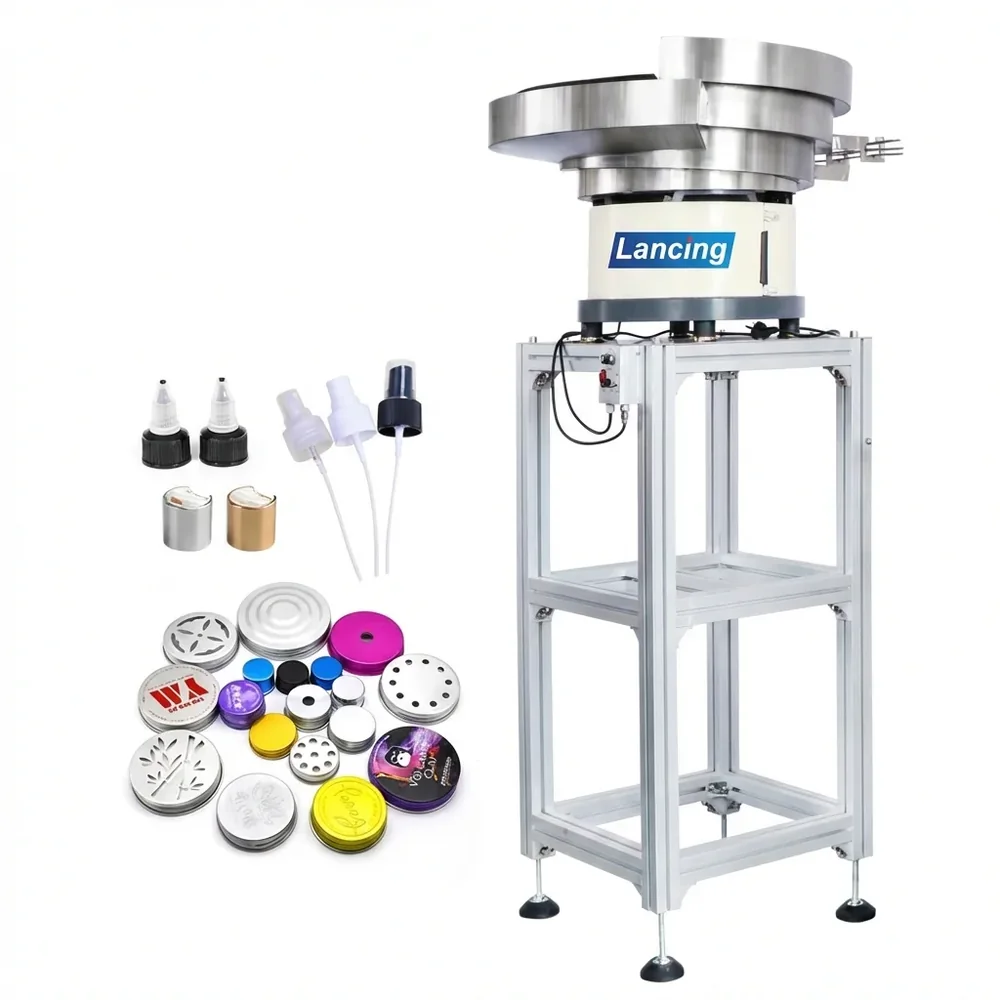
Cap feeder with closure samples
Cap feeders

Automatic cap feeders

Controlled cap supply for automatic and semi-automatic cappers.

Read more
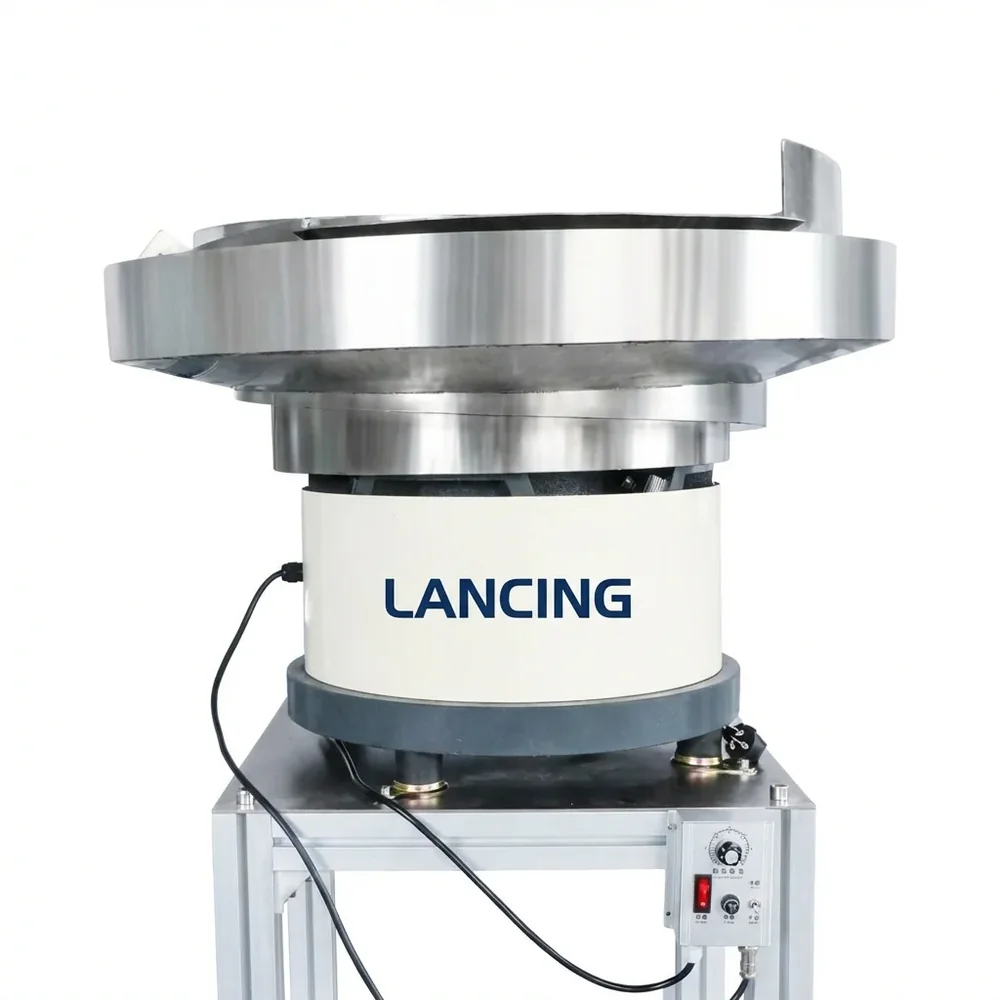
Vibratory bowl feeder close up
Bowl feeders

Vibratory bowl feeders

Bowl tooling and track design for sorting and orientation.

Read more
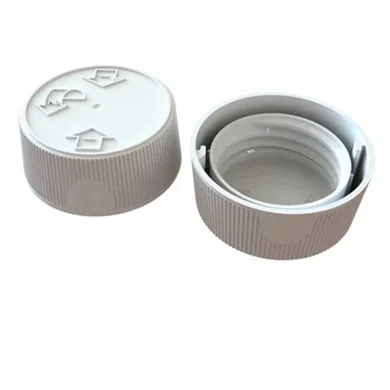
Plastic screw cap samples
Sorters

Cap sorters

Wrong-way rejection and closure presentation before capping.

Read more
Pump capping machine with bowl feeder
Special closures

Pump and trigger feeding

Feeding support for pumps, sprayers and difficult closures.

Read more
Connected Lancing routes

Built to sit beside the wider Lancing machinery network.

The site now links cap feeding intent to bowl feeder specification, capping machine selection and wider bottle-line planning.

Bowl feeding

Vibratory bowl feeder specification

Use the bowl feeder route when the cap or component needs sample-based tooling, orientation and a stable discharge point.

Visit bowlfeeders.co.uk
Capping

Capper selection and closure type

Use the capping machinery route when the project also needs screw, pump, trigger, ROPP, press-on or complete capping equipment.

Visit cappingmachinesuk.co.uk
Line planning

Filling, capping and labelling context

Use the Lancing UK route when the feeder is part of a wider packaging line, retrofit, installation or project-planning brief.

Visit lancinguk.online
FAQs

Questions about integration.

What signals are useful between feeder and capper?

Level control, cap-in-chute, run permissive, fault and emergency stop integration are common interfaces.

Can Lancing integrate a feeder with an existing machine?

Often yes. The current capper layout, space, controls and handover method must be checked first.

What causes integration problems?

Common issues include wrong discharge height, poor chute angle, conveyor timing, bottle instability, inadequate guarding or no control feedback.

Engineering SEO detail

Integration is where the cap feeder becomes part of the capping line.

A well specified feeder can still fail if the capper handover, sensor logic, chute loading or operator access is wrong. This content adds the control and interface checks that help reduce those risks.

Signals

Match feeder and capper demand

Low-level, cap-in-chute, ready, fault and stop/start behaviour should be agreed before installation.

PLC integration
Chute

Control the last metre

The final chute or track decides whether sorted caps stay usable until the capper takes them.

Chute guidance
Access

Guarding and recovery

Jam recovery points, guarding openings and operator refill positions should be practical without compromising safety.

Jam recovery
Specification evidence

Information Lancing should check before final feeder selection.

These checks improve quotation quality without assuming unsupported speeds, capacities or format ranges.

CheckWhy it mattersUseful evidence to send
Capper interfaceThe mechanical handover defines the feeder outlet.Capper make/model, photos, handover height, chute route and available mounting points.
Control expectationsThe feeder should respond to capper demand and fault conditions.Existing PLC details where available, required signals and stop/start preference.
Line layoutSpace and guarding often decide the final arrangement.Plan view photos, conveyor height, operator side and maintenance access needs.
Acceptance checksSuccess should be defined before installation.Target OEE or production target, accepted restart method and cap quality expectations.
Buyer questions

Practical questions before ordering a cap feeding system.

What controls should a cap feeder have?

Controls depend on the line, but common checks include cap-low warnings, cap-in-chute signals, ready/fault outputs and capper demand control.

Can a feeder be added to an existing capper?

Often yes, if the capper has a workable handover point, space, guarding route and a way to accept or provide control signals.

Why does chute design matter so much?

The chute carries already sorted caps to the capper. Poor chute control can create jams, double feeds or starvation even when the feeder is good.

Should integration include OEE targets?

A target OEE or production expectation helps decide buffer, sensor and recovery requirements, but it should be linked to real test conditions.

Can Lancing support complete line context?

Yes. Feeder integration can be discussed alongside cappers, fillers, conveyors, labellers and wider project planning.

CallQuote