Photo-led cap feeding, bowl feeding and cap presentation systems for UK capping lines01494 623015   sales@lancinguk.com
Screw cap orientation

Screw cap orientation systems for capping machines.

Sort and present threaded caps so each closure reaches the capping head the correct way up and ready to apply.

Need the feeder to match your cap and capper?

Send cap samples, photos, target output and the downstream capping machine details. The quickest shortlist starts with real parts, not a generic speed figure.

Send cap details
Specification focus

A simple screw cap still needs controlled presentation.

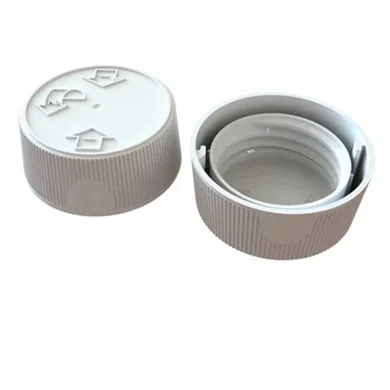
Screw caps look simple, but the cap feeding route still has to separate loose caps, reject the wrong face and deliver a reliable stream to the capper. Cap ribs, liners, cap depth and the centre of gravity can all change the best solution.

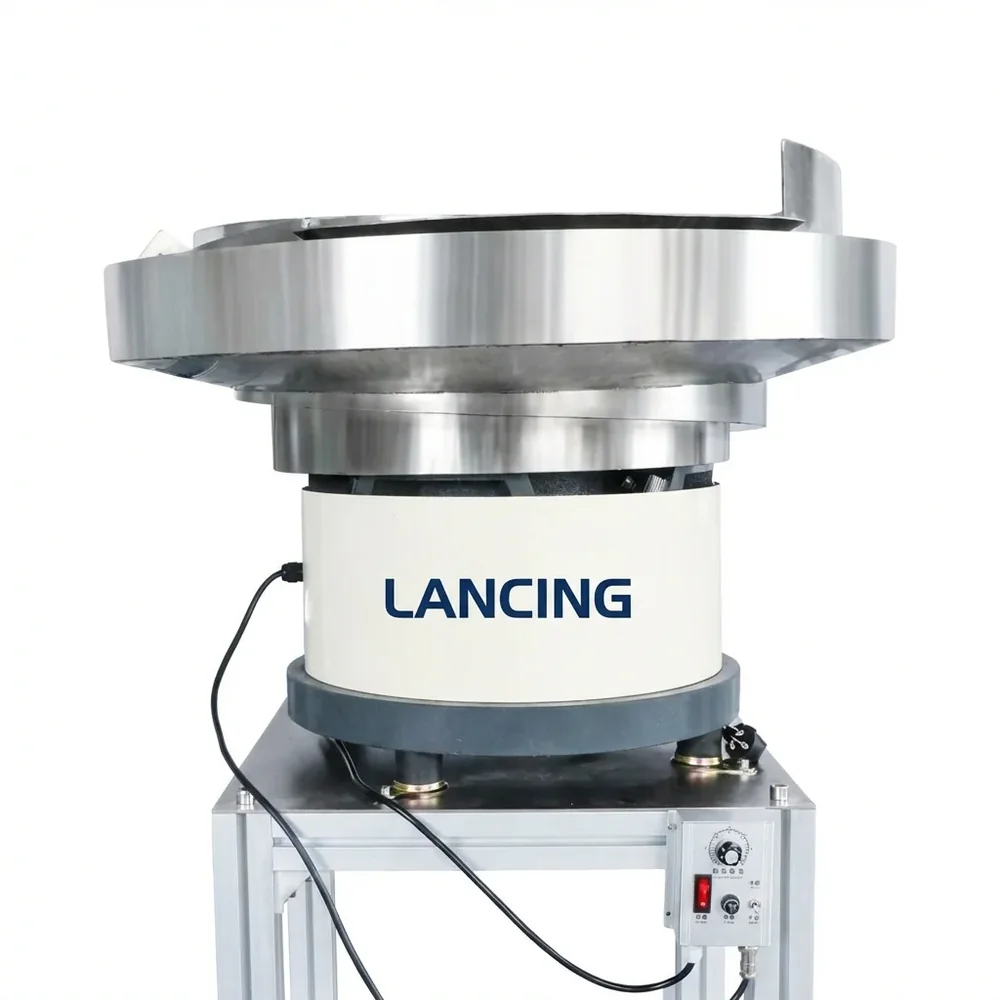
Common screw cap routes include vibratory bowl feeders, cap elevators, rotary sorters, incline hoppers and custom chutes. The final choice is shaped by the capper type, target output and how often formats change.

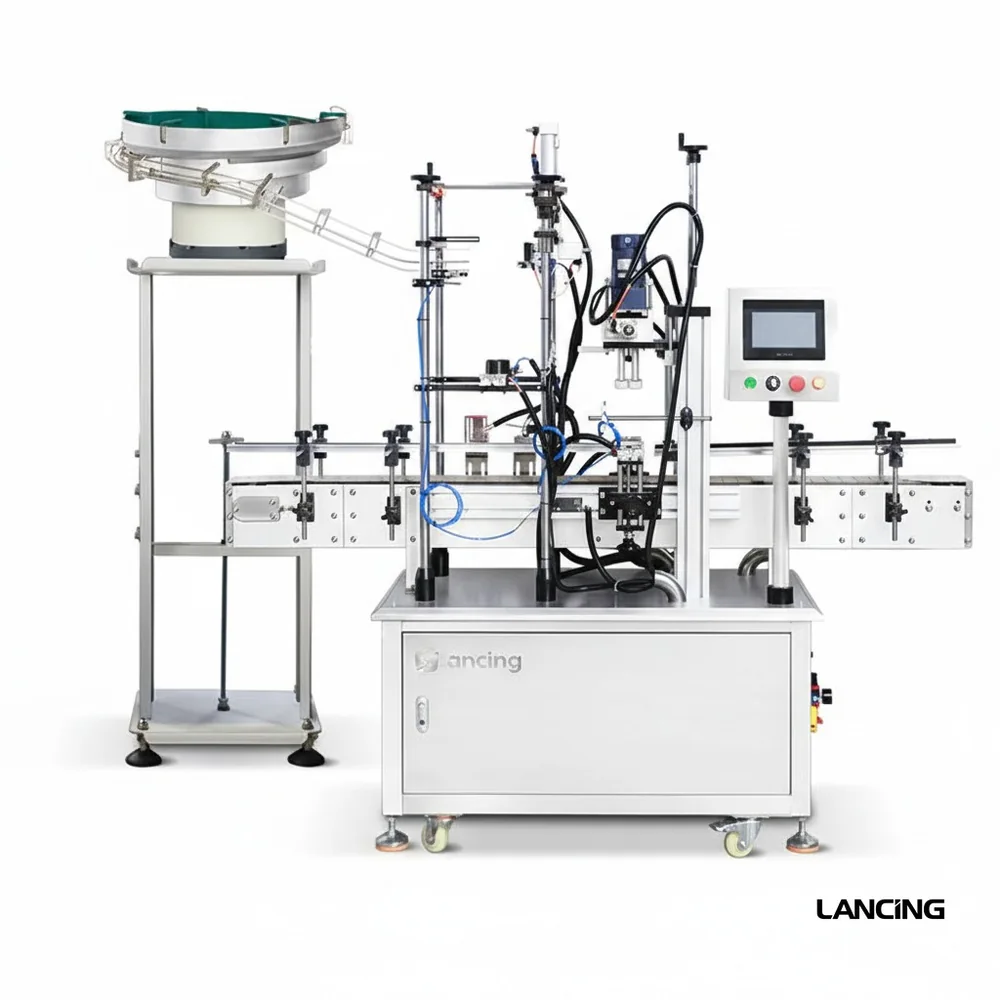
The orientation system should be specified together with the capping head so the cap arrives in the right position for pick-up, placement, chuck tightening or spindle/belt tightening.

Correct-face presentationReject inverted caps before they enter the capping route.
Stable chute flowAvoid cap bounce, double-feeding and gaps in the cap track.
Capper-ready handoverMatch orientation to the chuck, pick-off, starwheel or inline tightening method.
Selection table

Information that changes the feeder design.

DetailWhy it mattersWhat to send
Closure geometryControls whether caps can be separated, sorted and held in a stable orientation.Photos, samples, diameter, height, skirt depth, material and any liner details.
Required presentationThe same cap may need different exit orientation depending on the capping head.Correct orientation, chute angle, pick point, capper type and discharge height.
Target outputThe feeder must exceed realistic production speed without flooding the track.Caps per minute, bottles per hour, planned shifts and expected efficiency.
Changeover rangeMultiple closures can require adjustable tooling or dedicated change parts.All cap sizes, SKU frequency and whether quick changeover is important.
Related systems

Move into the nearest feeder route.

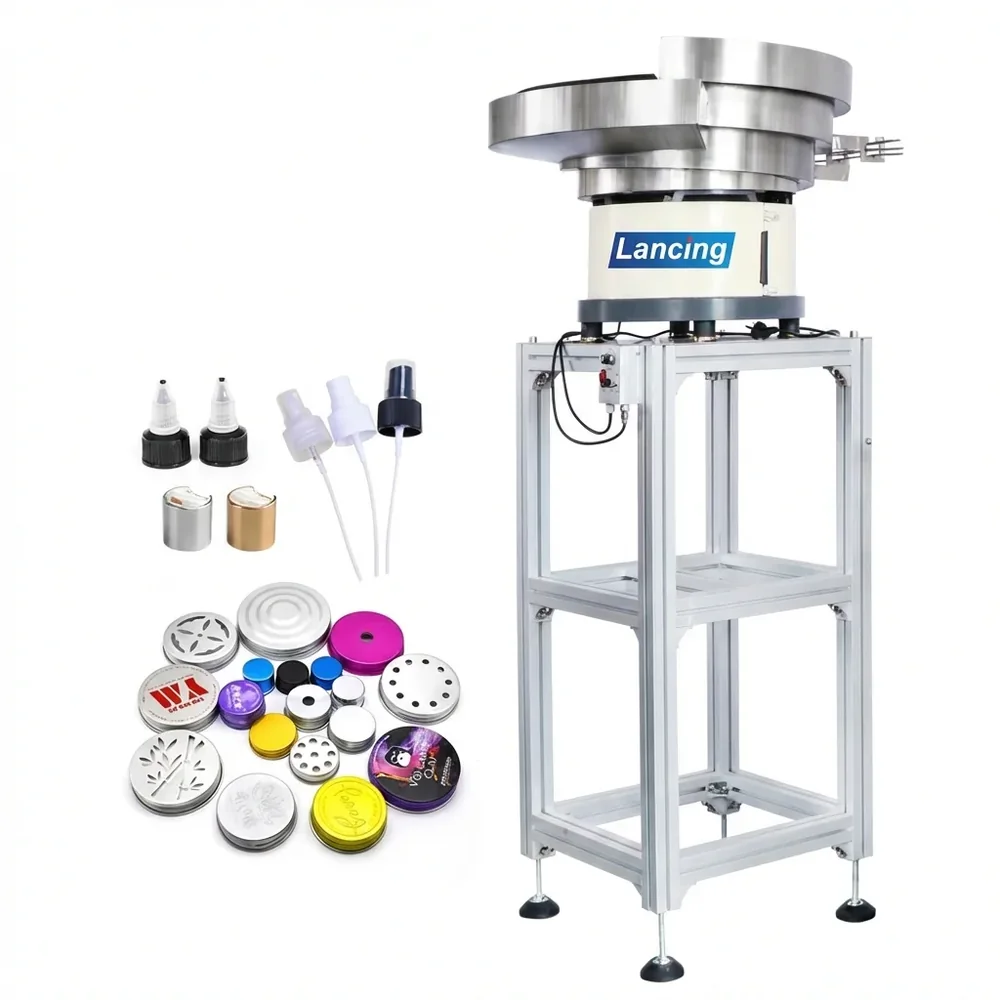
Cap feeder with closure samples
Cap feeders

Automatic cap feeders

Controlled cap supply for automatic and semi-automatic cappers.

Read more
Vibratory bowl feeder close up
Bowl feeders

Vibratory bowl feeders

Bowl tooling and track design for sorting and orientation.

Read more
Plastic screw cap samples
Sorters

Cap sorters

Wrong-way rejection and closure presentation before capping.

Read more
Pump capping machine with bowl feeder
Special closures

Pump and trigger feeding

Feeding support for pumps, sprayers and difficult closures.

Read more
Connected Lancing routes

Built to sit beside the wider Lancing machinery network.

The site now links cap feeding intent to bowl feeder specification, capping machine selection and wider bottle-line planning.

Bowl feeding

Vibratory bowl feeder specification

Use the bowl feeder route when the cap or component needs sample-based tooling, orientation and a stable discharge point.

Visit bowlfeeders.co.uk
Capping

Capper selection and closure type

Use the capping machinery route when the project also needs screw, pump, trigger, ROPP, press-on or complete capping equipment.

Visit cappingmachinesuk.co.uk
Line planning

Filling, capping and labelling context

Use the Lancing UK route when the feeder is part of a wider packaging line, retrofit, installation or project-planning brief.

Visit lancinguk.online
FAQs

Questions about screw cap orientation.

What makes screw caps difficult to orientate?

Diameter, height, ribs, liner, skirt depth and centre of gravity all affect whether a cap reliably sorts and exits correctly.

Can screw cap orientation be retrofitted?

Often yes, if there is enough space and a suitable capper handover point.

Does the orientation system set torque?

No. It presents the cap correctly; final torque is controlled by the capping machine.

CallQuote