Photo-led cap feeding, bowl feeding and cap presentation systems for UK capping lines01494 623015   sales@lancinguk.com
Sorting and orientation

Cap sorters and cap orientation systems.

Sort, reject and present caps correctly before they enter the cap chute, placement head or capping station.

Need the feeder to match your cap and capper?

Send cap samples, photos, target output and the downstream capping machine details. The quickest shortlist starts with real parts, not a generic speed figure.

Send cap details
Specification focus

Wrong-way caps create downtime at the capping head.

A cap sorter protects the capping head from caps that arrive inverted, skewed, doubled-up or in the wrong orientation. It is often the difference between an automatic line that runs consistently and one that needs constant operator correction.

The sorting method depends on the cap shape and the required presentation. Flat screw caps, ROPP closures, crown caps, pumps and trigger heads all behave differently and may require different reject paths or guide tooling.

The best specification checks the full route from loose bulk caps to the final capper handover point, including chute angle, sensor positions and access for cleaning or clearing jams.

Reject wrong orientationMechanical gates, tracks or air assistance can remove caps that are unsuitable for handover.
Protect the capping headCorrect presentation reduces cross-threading, missed caps, scuffing and stoppages.
Match the capperThe sorter outlet must suit the chuck, spindle, press head, starwheel or inline handover method.
Selection table

Information that changes the feeder design.

DetailWhy it mattersWhat to send
Closure geometryControls whether caps can be separated, sorted and held in a stable orientation.Photos, samples, diameter, height, skirt depth, material and any liner details.
Required presentationThe same cap may need different exit orientation depending on the capping head.Correct orientation, chute angle, pick point, capper type and discharge height.
Target outputThe feeder must exceed realistic production speed without flooding the track.Caps per minute, bottles per hour, planned shifts and expected efficiency.
Changeover rangeMultiple closures can require adjustable tooling or dedicated change parts.All cap sizes, SKU frequency and whether quick changeover is important.
Related systems

Move into the nearest feeder route.

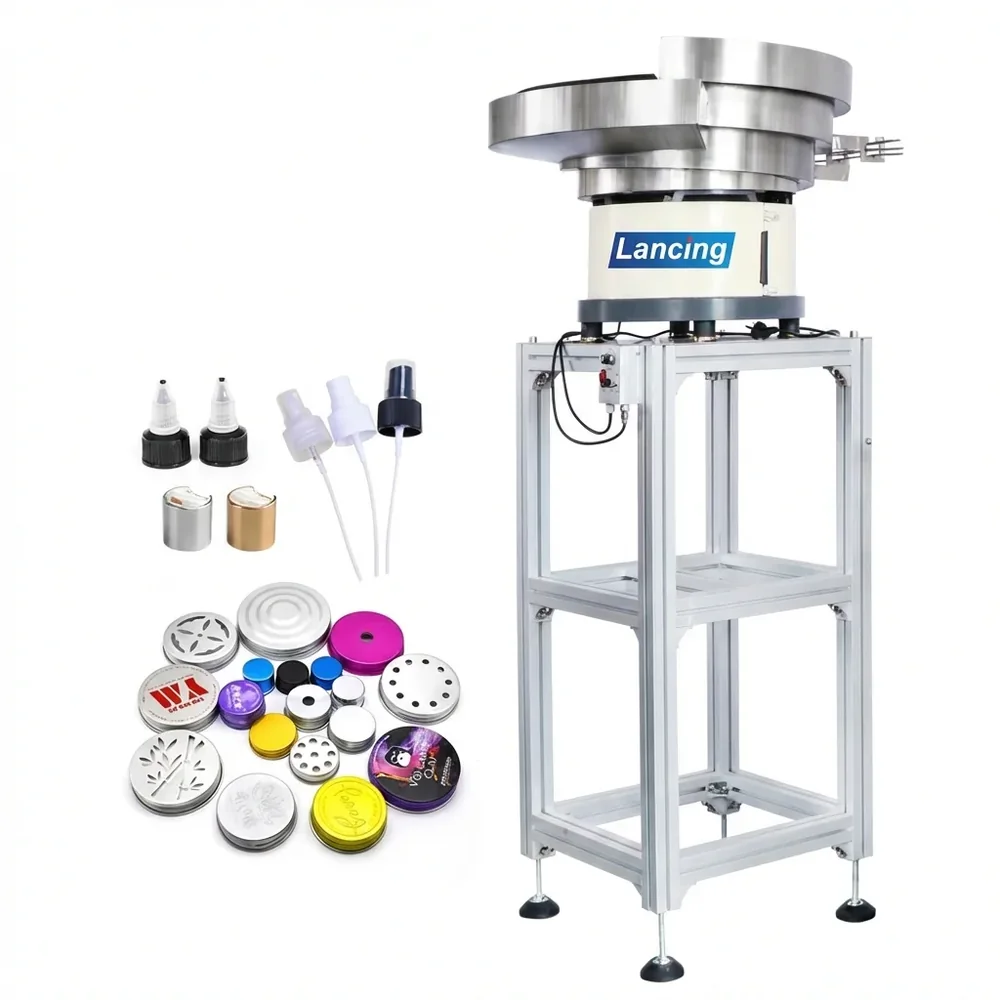
Cap feeder with closure samples
Cap feeders

Automatic cap feeders

Controlled cap supply for automatic and semi-automatic cappers.

Read more
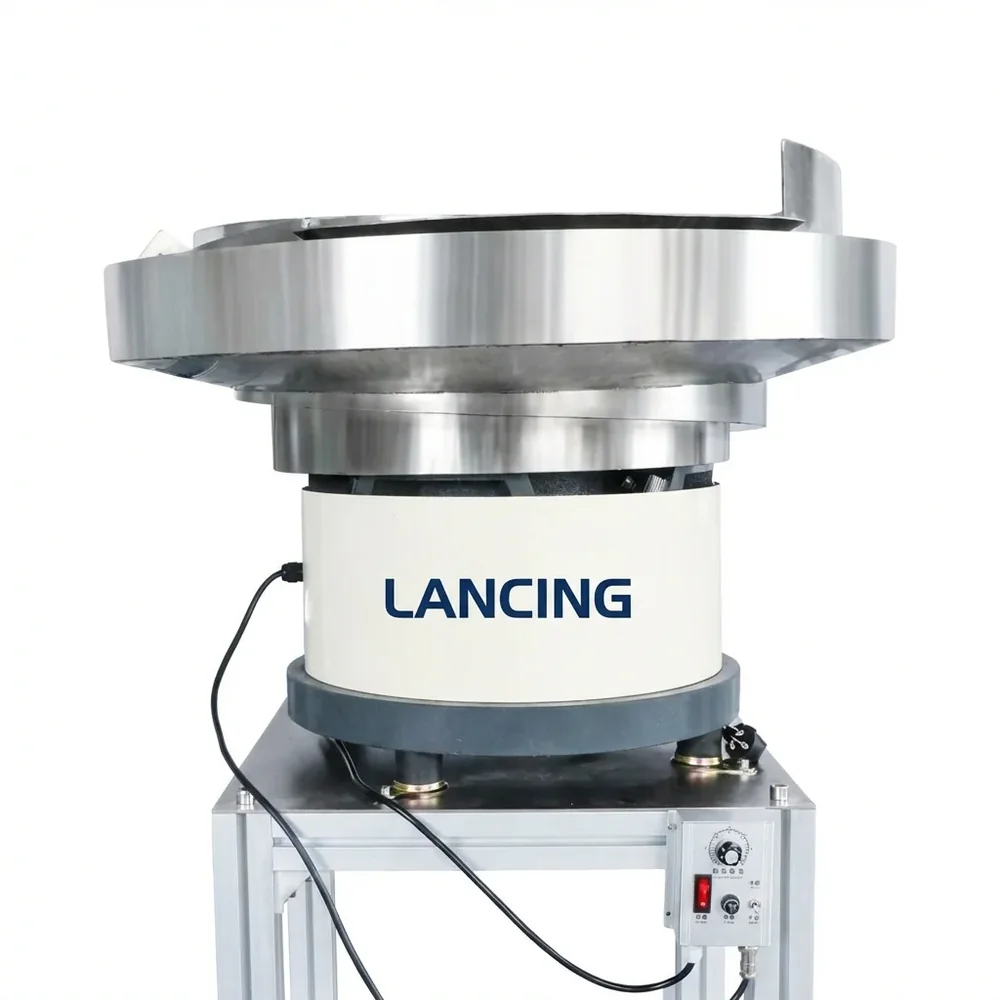
Vibratory bowl feeder close up
Bowl feeders

Vibratory bowl feeders

Bowl tooling and track design for sorting and orientation.

Read more
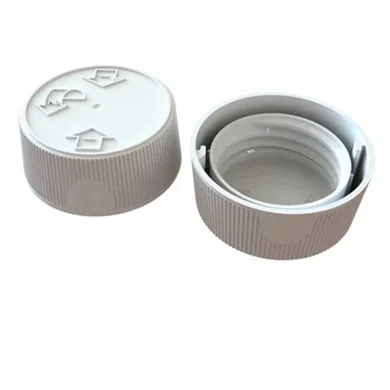
Plastic screw cap samples
Sorters

Cap sorters

Wrong-way rejection and closure presentation before capping.

Read more
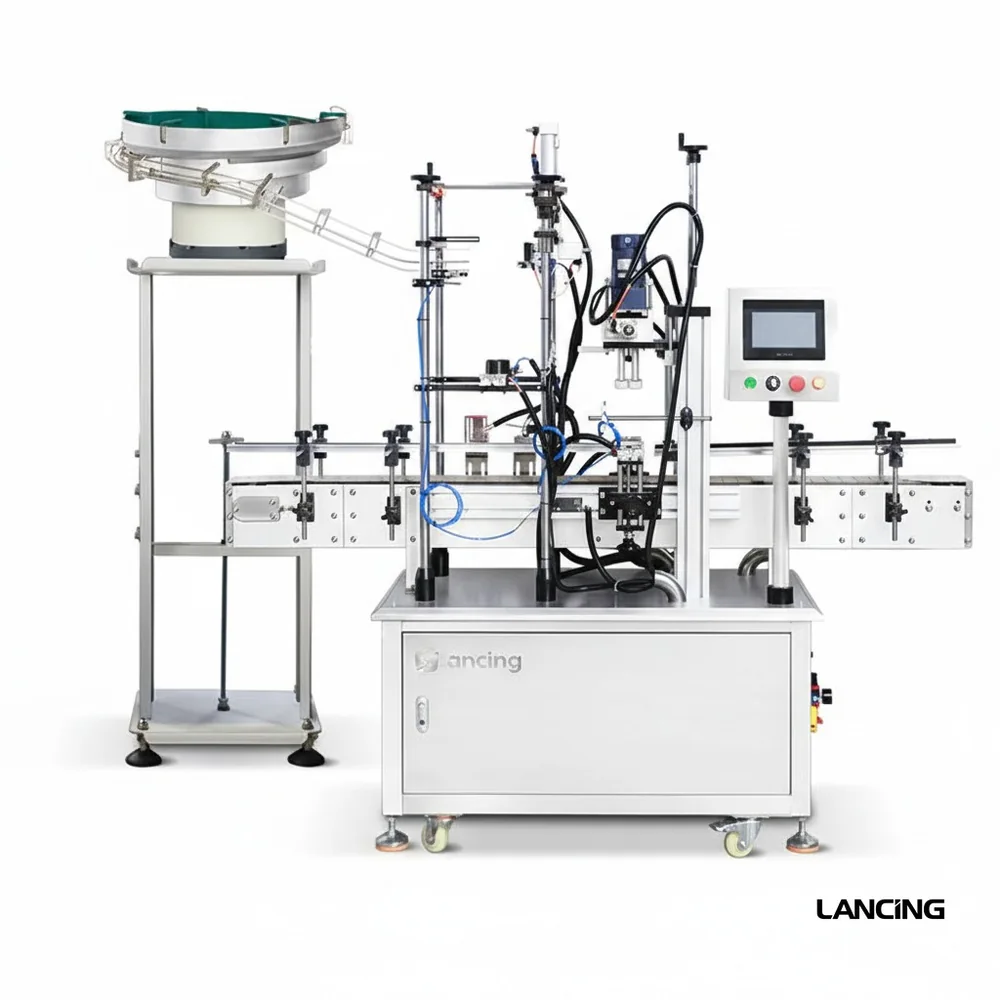
Pump capping machine with bowl feeder
Special closures

Pump and trigger feeding

Feeding support for pumps, sprayers and difficult closures.

Read more
Connected Lancing routes

Built to sit beside the wider Lancing machinery network.

The site now links cap feeding intent to bowl feeder specification, capping machine selection and wider bottle-line planning.

Bowl feeding

Vibratory bowl feeder specification

Use the bowl feeder route when the cap or component needs sample-based tooling, orientation and a stable discharge point.

Visit bowlfeeders.co.uk
Capping

Capper selection and closure type

Use the capping machinery route when the project also needs screw, pump, trigger, ROPP, press-on or complete capping equipment.

Visit cappingmachinesuk.co.uk
Line planning

Filling, capping and labelling context

Use the Lancing UK route when the feeder is part of a wider packaging line, retrofit, installation or project-planning brief.

Visit lancinguk.online
FAQs

Questions about cap sorters.

What is cap orientation?

Cap orientation is the process of making sure every closure reaches the capper in the correct face, angle or position.

Do all caps need sorting?

No. Some caps are easy to feed, but flat, shallow, asymmetric or decorated closures may need more controlled orientation.

Can sensors detect incorrect caps?

Sensors can help with level control and some detection tasks, but mechanical tooling and reject design are usually still important.

Engineering SEO detail

Cap sorting should remove the closures the capper cannot use.

Sorting is not only about speed. The sorter has to recognise the usable orientation, reject or recirculate wrong-way caps and avoid damaging caps that may be visible on the finished product.

Orientation

Sort for the capper requirement

A cap can be right-way-up but still wrong for the capper if the chute, head or starwheel needs a different handover.

Orientation systems
Detection

Plan reject and recovery

Wrong-way caps, bridges and empty spaces need a recovery route that does not starve the capping machine.

Jam detection
Chute control

Protect the handover point

The chute should hold enough caps to buffer demand without packing caps tightly or causing double feeds.

Cap-in-chute control
Specification evidence

Information Lancing should check before final feeder selection.

These checks improve quotation quality without assuming unsupported speeds, capacities or format ranges.

CheckWhy it mattersUseful evidence to send
Sorting featureA usable physical feature is needed for mechanical sorting.Cap samples, underside/top photos, skirt profile, tamper band and required final orientation.
Reject behaviourRejected caps must return or discharge without causing a second fault.Preferred reject route, operator access and whether wrong-way caps can recirculate.
Capper demandThe sorter should match capper demand rather than run uncontrolled.Capper speed, chute level requirement, sensor position and stop/start interface.
Surface finishHigh-value or decorated caps may need gentler sorting.Finished caps, including printed or metallic versions, and acceptable handling condition.
Buyer questions

Practical questions before ordering a cap feeding system.

What is a cap sorter used for?

It presents caps in a usable orientation and keeps wrong-way or unstable caps away from the capper handover.

Is a sorter separate from a feeder?

It can be separate or part of the feeder route, depending on the cap, speed and downstream capping method.

What causes wrong-way caps in the chute?

Common causes include poor orientation features, worn tooling, unsuitable chute angle, overfilled tracks or mismatch between sorter and capper demand.

Can sorting be checked from photos?

Photos help early triage, but samples are normally needed to judge behaviour, balance and repeatability.

Do cap sorters need sensors?

Many systems benefit from level or cap-in-chute sensing so the sorter can respond to the capper instead of running continuously.

CallQuote