Photo-led cap feeding, bowl feeding and cap presentation systems for UK capping lines01494 623015   sales@lancinguk.com
Buyer checklist

Cap feeder buyer guide and quote checklist.

Prepare the details that help Lancing shortlist the right feeder, bowl, elevator, sorter or integration route faster.

Need the feeder to match your cap and capper?

Send cap samples, photos, target output and the downstream capping machine details. The quickest shortlist starts with real parts, not a generic speed figure.

Send cap details
Specification focus

A better brief produces a better feeder recommendation.

This quote checklist is designed for buyers, engineers and production teams preparing a cap feeder enquiry. The more accurately the closure and line are described, the easier it is to avoid a generic recommendation.

Send the cap samples, bottle samples and target output together. A cap may feed well on its own but still fail at the handover point if the bottle is unstable, the chute is too long or the capper timing is wrong.

For existing lines, include photos of the capper, conveyor, guarding and available space. For new lines, include the proposed filling, capping and labelling sequence.

Closure samplesCaps, pumps, triggers, liners, different colours and known problem samples.
Line targetCaps per minute, bottles per hour, shift pattern and expected efficiency.
Machine interfaceCapper type, handover method, height, controls, guarding and available footprint.
Commercial scopeInstallation, commissioning, spares, change parts and future SKU plans.
Selection table

Information that changes the feeder design.

DetailWhy it mattersWhat to send
Closure geometryControls whether caps can be separated, sorted and held in a stable orientation.Photos, samples, diameter, height, skirt depth, material and any liner details.
Required presentationThe same cap may need different exit orientation depending on the capping head.Correct orientation, chute angle, pick point, capper type and discharge height.
Target outputThe feeder must exceed realistic production speed without flooding the track.Caps per minute, bottles per hour, planned shifts and expected efficiency.
Changeover rangeMultiple closures can require adjustable tooling or dedicated change parts.All cap sizes, SKU frequency and whether quick changeover is important.
Related systems

Move into the nearest feeder route.

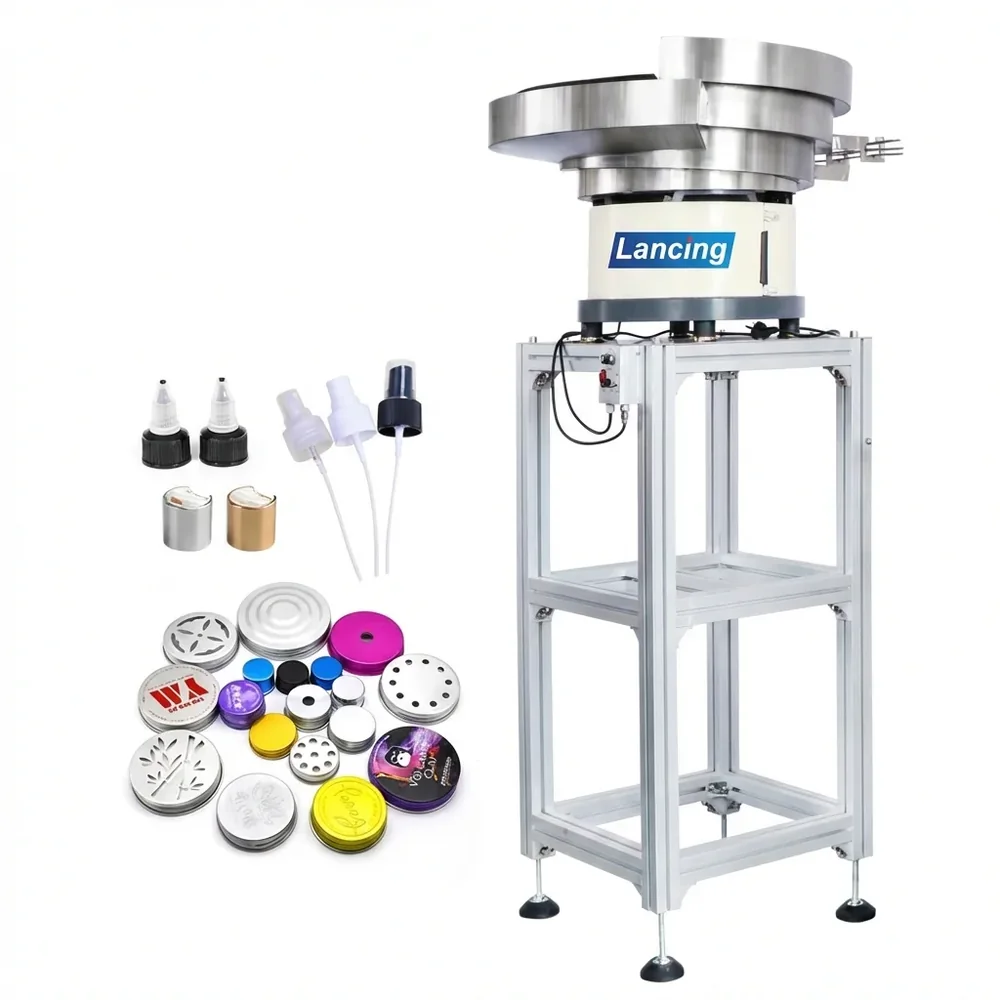
Cap feeder with closure samples
Cap feeders

Automatic cap feeders

Controlled cap supply for automatic and semi-automatic cappers.

Read more
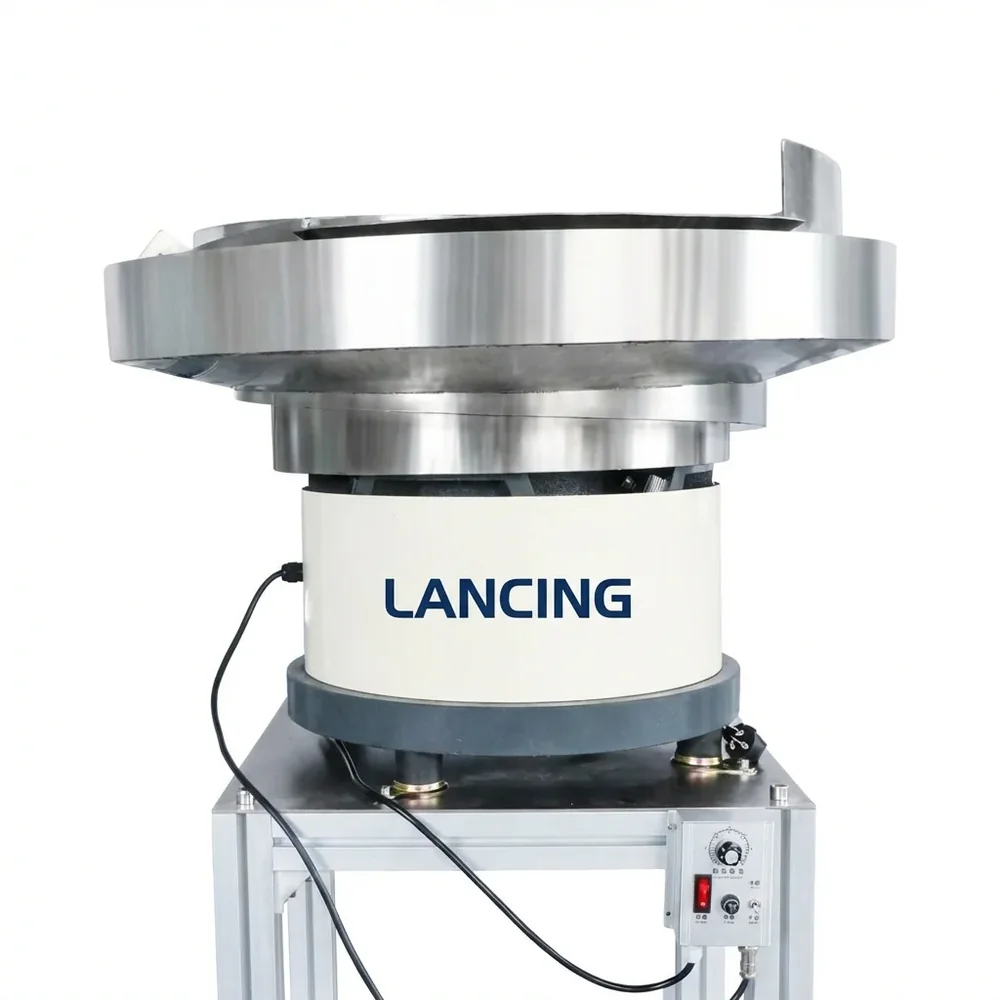
Vibratory bowl feeder close up
Bowl feeders

Vibratory bowl feeders

Bowl tooling and track design for sorting and orientation.

Read more
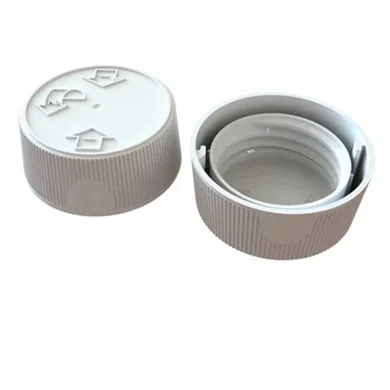
Plastic screw cap samples
Sorters

Cap sorters

Wrong-way rejection and closure presentation before capping.

Read more
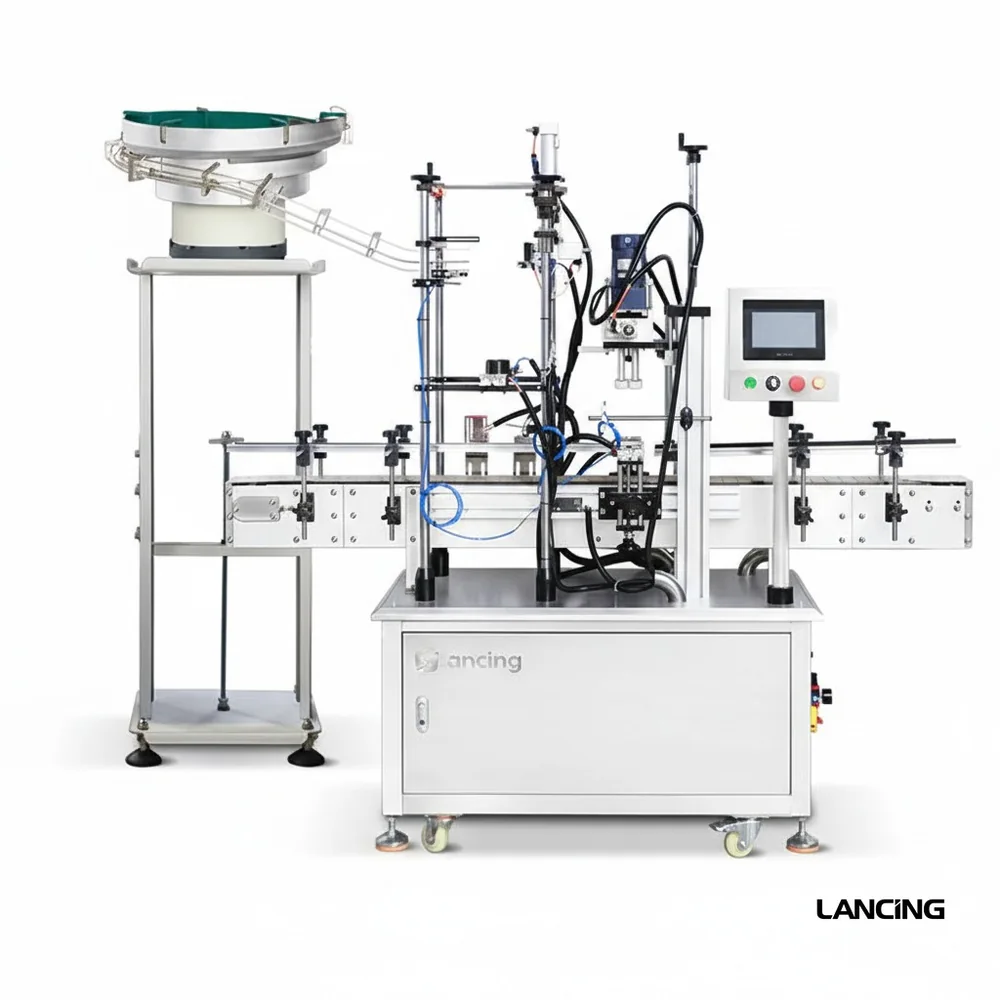
Pump capping machine with bowl feeder
Special closures

Pump and trigger feeding

Feeding support for pumps, sprayers and difficult closures.

Read more
Connected Lancing routes

Built to sit beside the wider Lancing machinery network.

The site now links cap feeding intent to bowl feeder specification, capping machine selection and wider bottle-line planning.

Bowl feeding

Vibratory bowl feeder specification

Use the bowl feeder route when the cap or component needs sample-based tooling, orientation and a stable discharge point.

Visit bowlfeeders.co.uk
Capping

Capper selection and closure type

Use the capping machinery route when the project also needs screw, pump, trigger, ROPP, press-on or complete capping equipment.

Visit cappingmachinesuk.co.uk
Line planning

Filling, capping and labelling context

Use the Lancing UK route when the feeder is part of a wider packaging line, retrofit, installation or project-planning brief.

Visit lancinguk.online
FAQs

Questions about cap feeder buyer guide.

Do I need to send physical cap samples?

Physical samples are strongly preferred because they show real balance, surface finish, ribs and sorting behaviour.

How many samples should I send?

Send enough good and bad samples to assess variability, including liners, different colours and any production tolerance changes.

Should I include the existing capper details?

Yes. Photos, make/model, handover height, guarding and control interface are very helpful for retrofit projects.

Engineering SEO detail

A buyer should compare the full cap feeding route, not the feeder price alone.

The right buying decision includes samples tested, capper handover, sensors, guards, changeover, recovery and aftercare. This addition strengthens buying intent without publishing unsupported product claims.

Scope

Compare what is included

A quotation should identify feeder route, hopper, chute, sensors, guards, controls, change parts and installation support.

Quote checklist
Risk

Ask what has been proven

Samples, tests and assumptions should be clear so the buyer knows whether output and compatibility are verified or still to be confirmed.

Samples and trials
Line fit

Check capper and controls

The lowest-cost feeder may not be the right option if it does not suit the downstream capper or production pattern.

Integration planning
Specification evidence

Information Lancing should check before final feeder selection.

These checks improve quotation quality without assuming unsupported speeds, capacities or format ranges.

CheckWhy it mattersUseful evidence to send
Quotation scopePrice alone hides important differences.Included/excluded hopper, bowl, chute, sensors, guarding, controls and installation.
AssumptionsUnsupported assumptions can become commissioning problems.List of verified samples, unverified format ranges and any output conditions.
Support routeAftercare matters when caps or bottles change.Service expectations, spare/change parts and future format support needs.
Commercial fitThe selected route should match the operational value.Manual labour reduction, target output, changeover pattern and downtime cost.
Buyer questions

Practical questions before ordering a cap feeding system.

What should I compare between cap feeder quotes?

Compare assumptions, samples tested, included hardware, sensors, guards, controls, change parts, installation and support.

Should I buy the fastest quoted feeder?

Not necessarily. The best route is the one that reliably matches your cap, capper and production demand.

What is a red flag in a quote?

A red flag is a precise speed, format range or capacity claim that is not linked to samples, conditions or the downstream capper.

Does every quote need a trial?

Difficult closures, important output targets or presentation-sensitive caps should normally be backed by sample assessment or trial evidence.

How can I get a better first recommendation?

Send samples, drawings, bottle/cap details, target OEE, output, capper photos and the required handover orientation.

CallQuote